
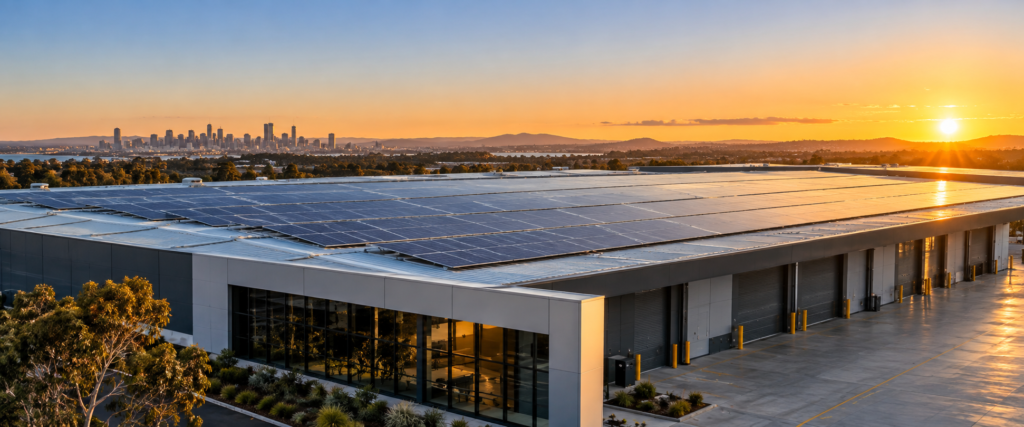
AUSTRALIA’S ENERGY TRANSITION · 2026
The energy decisions businesses make now will shape their costs for years.
Rising power prices, electrified freight and new NSW incentives are converging. This is the practical briefing for businesses looking to get ahead.
For years, the shift to renewable energy felt like something happening in the background. In 2026, it is showing up directly in business costs, government policy and the vehicles moving freight on Australian roads.
For NSW business owners, that makes energy a commercial decision as much as a sustainability one.
ENERGY COSTS
Electricity costs are rising — and the trend isn’t slowing down
Australian businesses are feeling the transition first in their bills. Retail electricity prices have risen by up to 8.5% for small businesses, while NSW commercial rates commonly sit between 30 and 45 cents per kilowatt hour. Wholesale volatility has made the picture harder to predict.
As coal plants retire and demand grows through electrification, the grid requires a major build-out. Businesses relying entirely on purchased grid power are carrying a cost line they can no longer control with confidence.

ELECTRIFIED FREIGHT
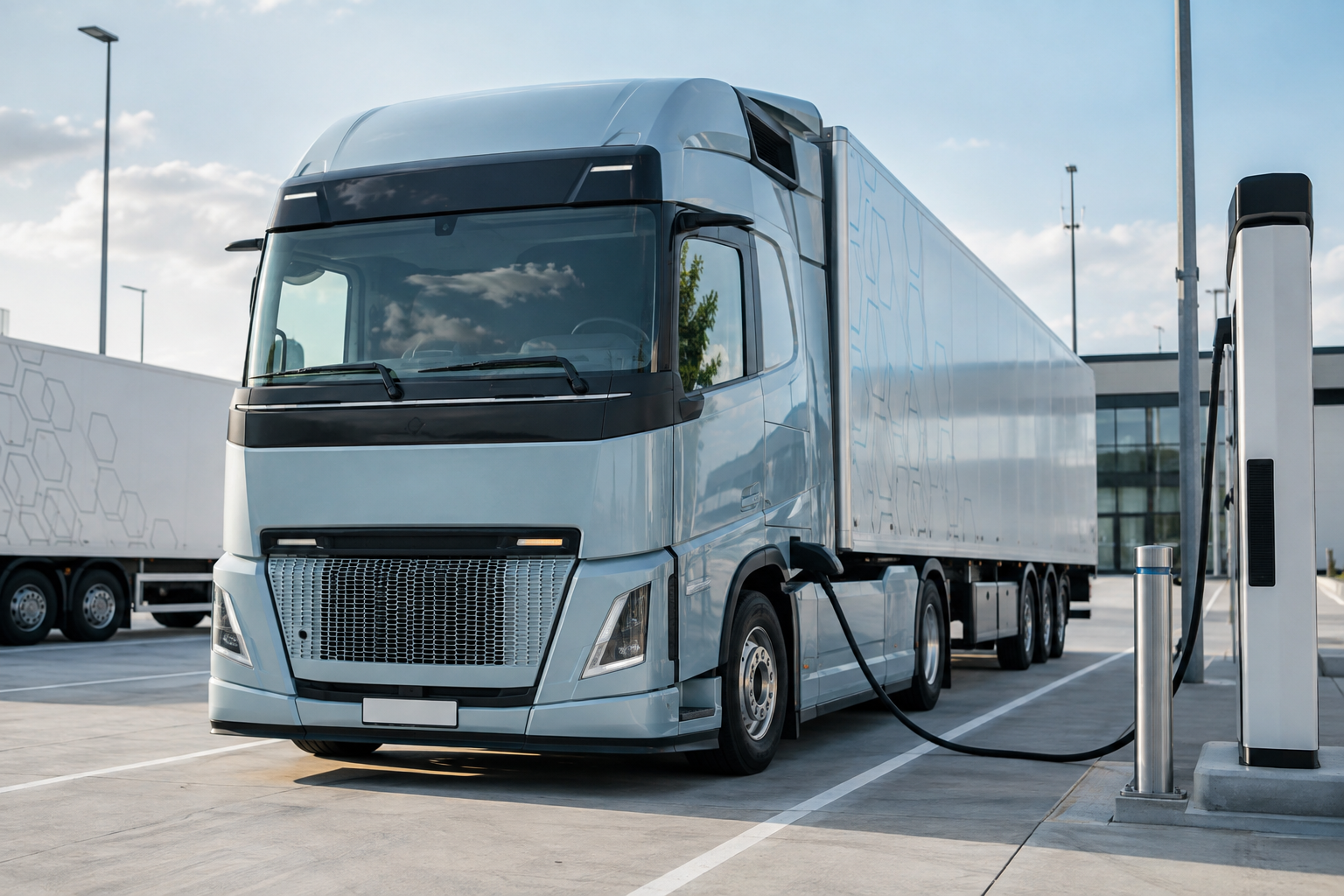
The freight industry is proving the transition is already here
Electric trucks are no longer a distant concept. Australia Post, Zenobē and Linfox are investing in electric fleets because the operational case is increasingly compelling.
A heavy electric truck can replace up to 45,000 litres of diesel a year and cut fleet fuel costs by as much as 70%. Generating and managing more of your own power is becoming a practical hedge against volatility.
COMMERCIAL SOLAR
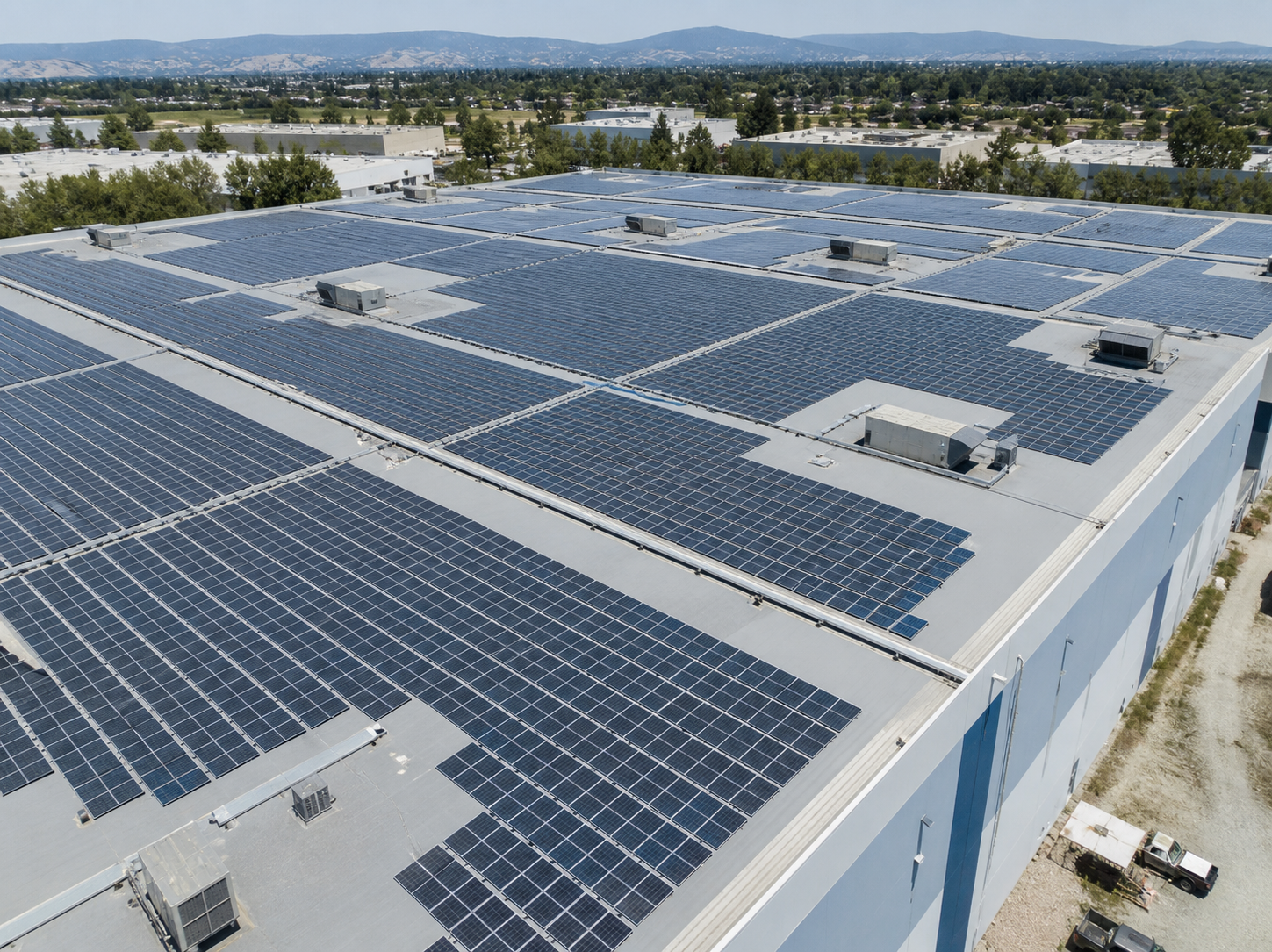
Commercial solar for business is moving to the centre of the conversation
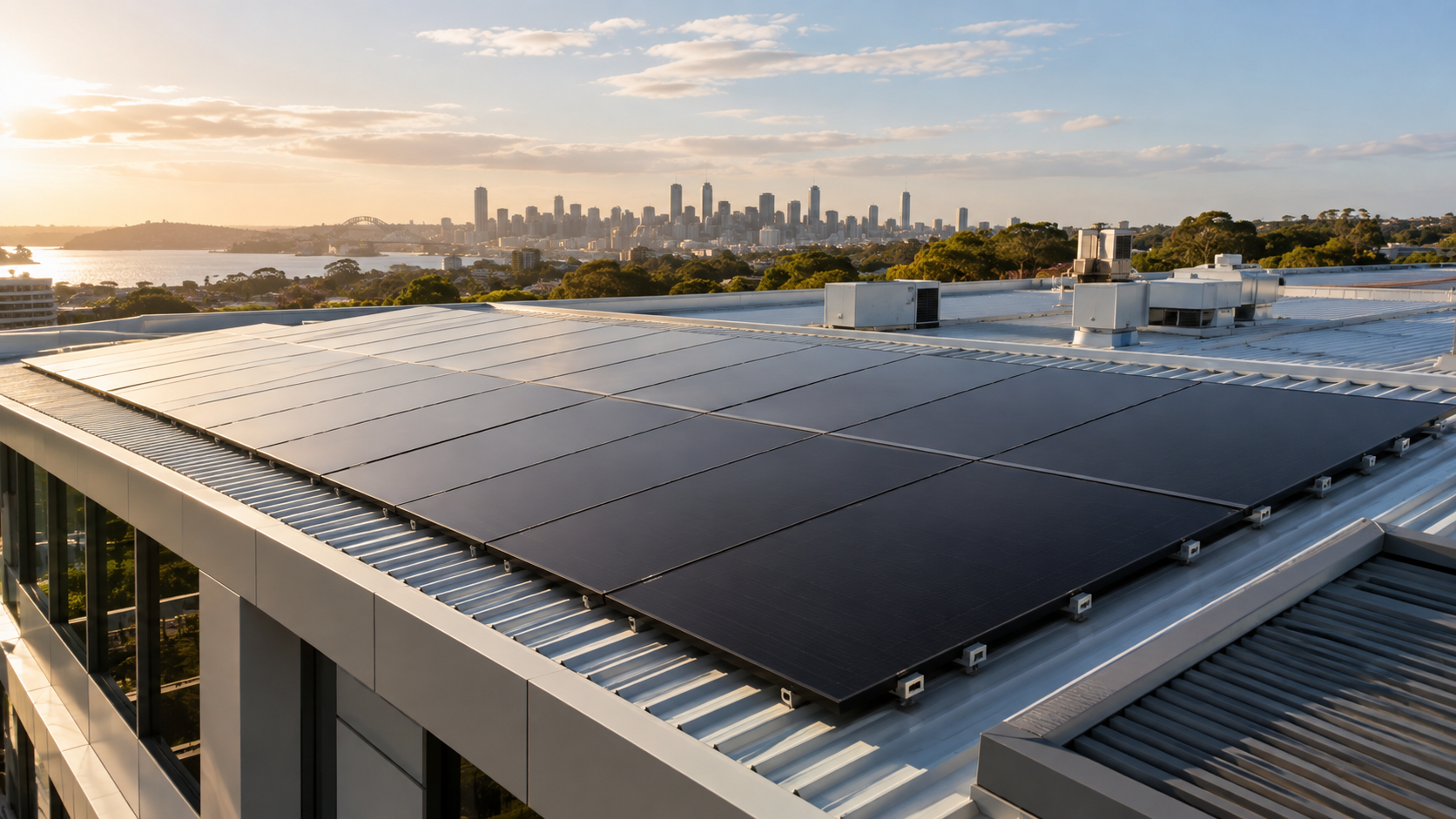
From 1 October 2026, the Small-scale Renewable Energy Scheme threshold increases from 100kW to 1MW. For businesses with large roofs and high daytime demand, that improves the case for systems that previously sat between small-business and fully bespoke industrial projects.
NSW INCENTIVES
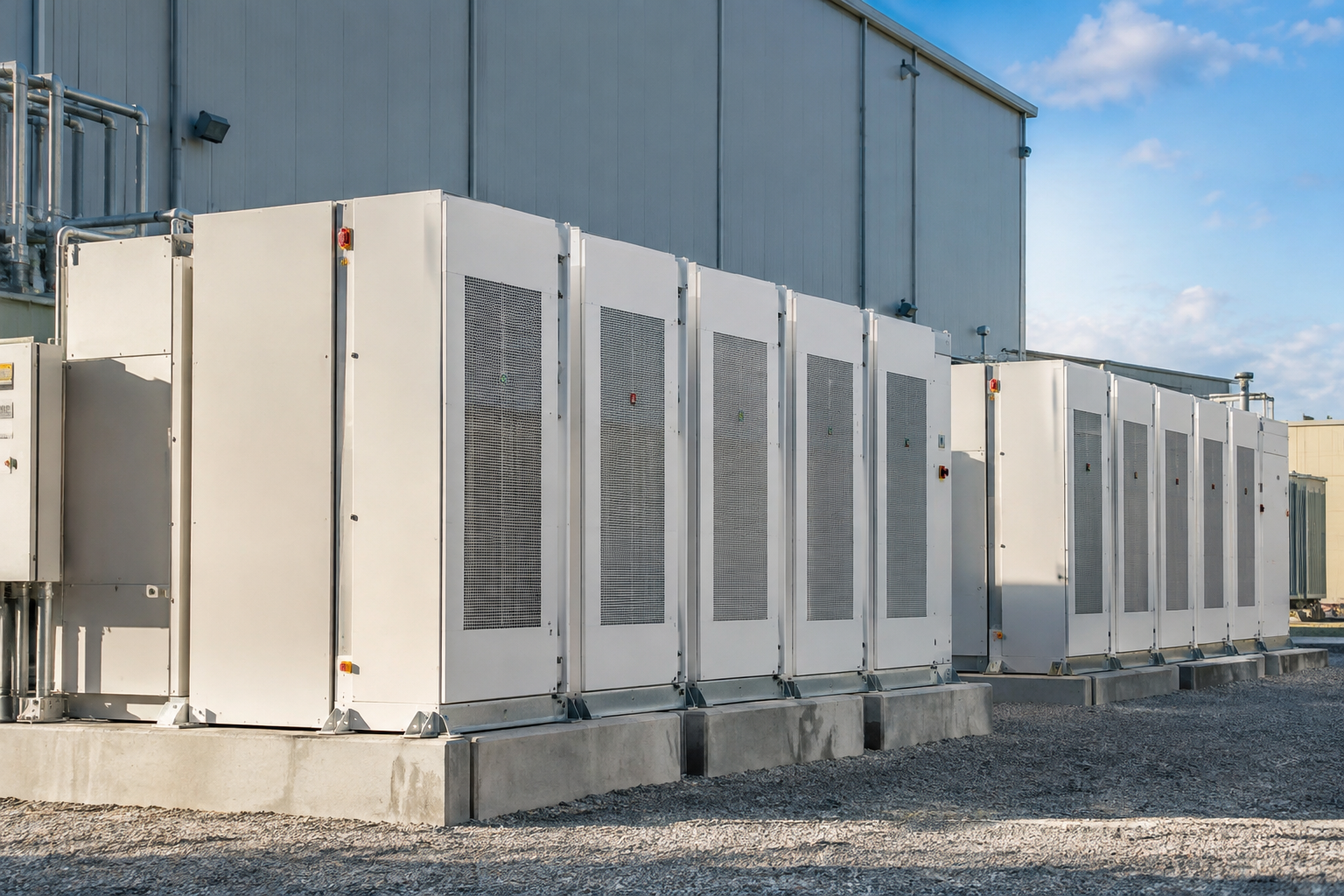
New battery rebates create two practical pathways
BESS4 · 20–200KWH
Small and medium businesses
For retail, offices, hospitality, medical practices and smaller warehouses.
BESS5 · 200KWH–30MWH
Large commercial and industrial sites
For manufacturing, distribution, logistics and major warehousing.
Both incentives can reduce the upfront cost of eligible batteries, often by 20 to 50%, and can complement federal solar support. Timing matters: a battery installed within 90 days of new solar may attract a stronger certificate outcome than separate, out-of-sequence projects.
THE BUSINESS CASE
What this means for your business
Electricity is getting more expensive and less predictable; major fleets are demonstrating real electrification savings; and commercial solar and battery incentives are aligning in ways that improve project economics.
Businesses do not need every answer today. But those reviewing energy costs, capital works or sustainability commitments should factor the new settings into planning now, while incentives are at their strongest.
COMMON QUESTIONS
Commercial solar and battery FAQs
Is commercial solar worth it for Australian businesses?
Commercial solar can be worthwhile for businesses with usable roof space and substantial daytime electricity use. It reduces the amount of power bought from the grid and can make operating costs more predictable.
Can NSW businesses receive a battery rebate?
Eligible NSW businesses may be able to access BESS4 or BESS5 incentives, depending on the battery capacity and project type. An assessment can confirm eligibility and the most suitable pathway.
What size commercial solar system does my business need?
The right size depends on your electricity use, roof area, operating hours and future plans such as battery storage or electric-vehicle charging. A site assessment matches system size to how your business actually consumes energy.
COMMERCIAL ENQUIRIES
Ready to take control of your energy costs?
Tell us about your site, electricity use and project goals. Our commercial team will help you understand the best next step.